
Dental Autoclaves
Why Effective Sterilization Matters More Than Ever
In the intricate fields of Medical and Dental Healthcare, the precision and safety of every procedure hinge on the absolute sterility of your instruments. Recent studies have shown that inadequate sterilization can lead to significant risks of infection, compromising patient safety and potentially increasing liability for your practice. Don’t let preventable infections tarnish your hard-earned reputation.
The Challenges You Face
Many practices struggle with autoclaves that are either too slow, inefficient, or incapable of sterilizing complex instruments thoroughly. This not only increases the risk of cross-contamination but also impacts patient turnover and clinic efficiency. Furthermore, the rising costs of energy and maintenance for outdated sterilization equipment can drain your practice’s resources.
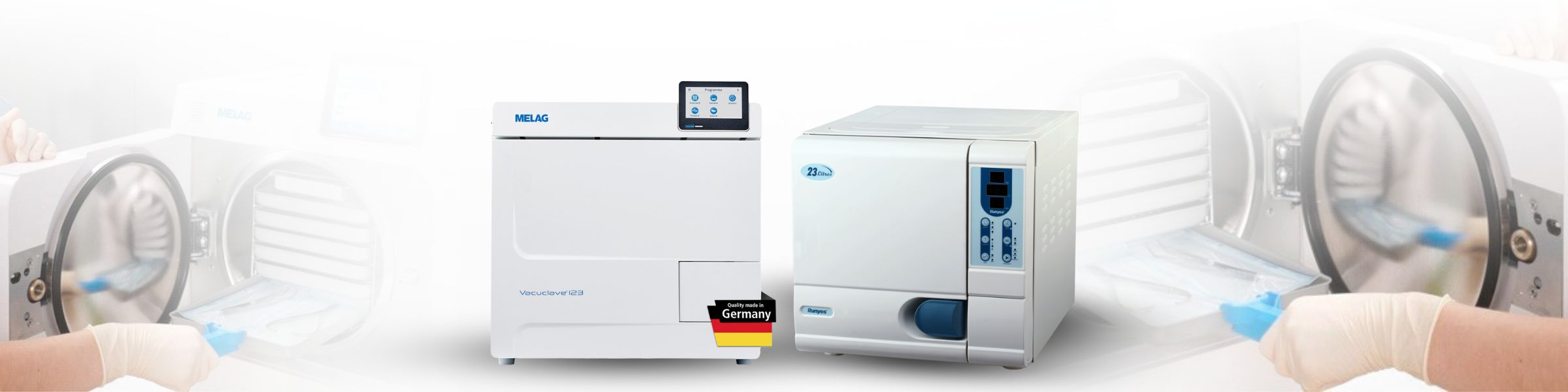
Our Solution: Melag Autoclave and Runyes Feng 23L
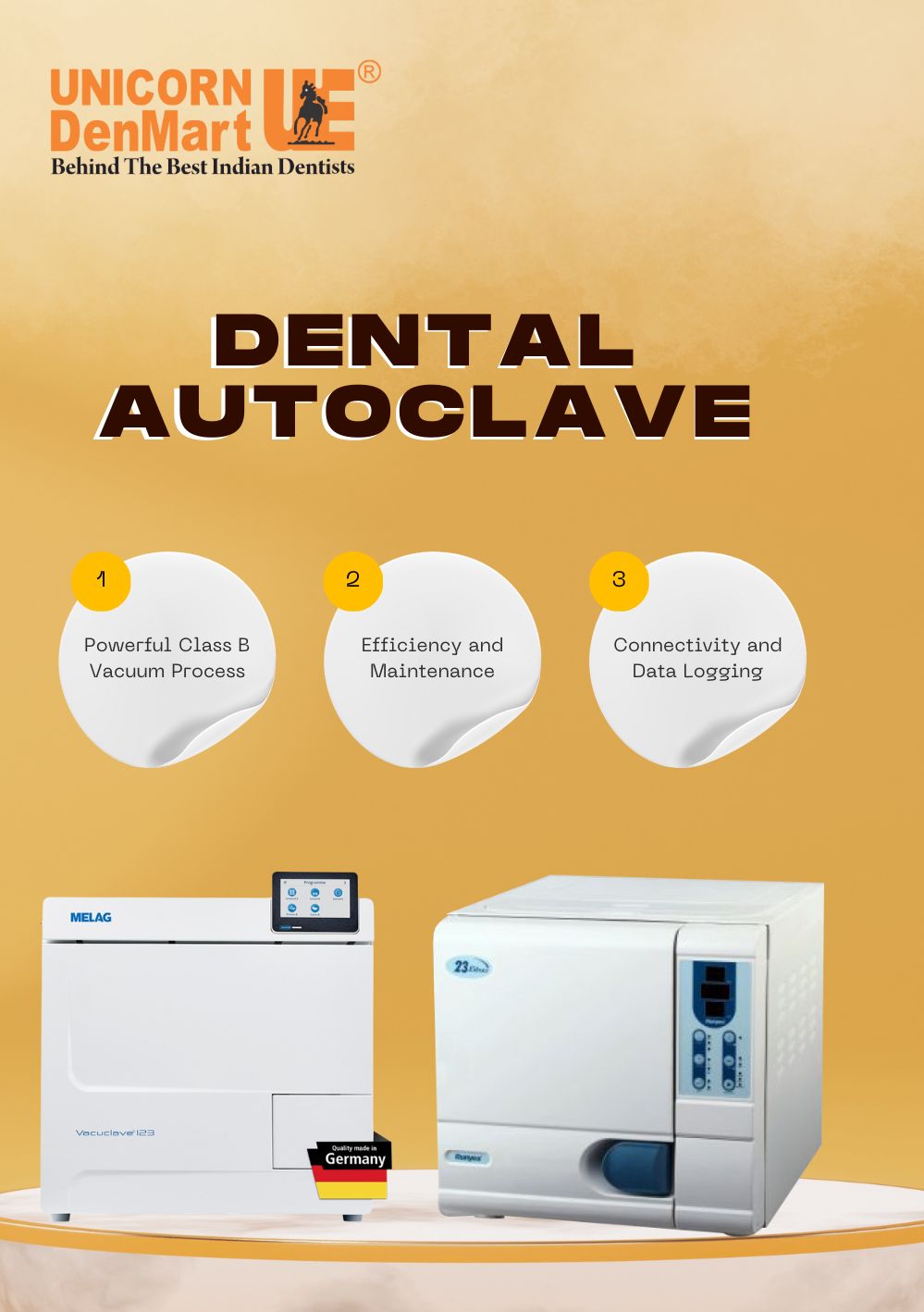
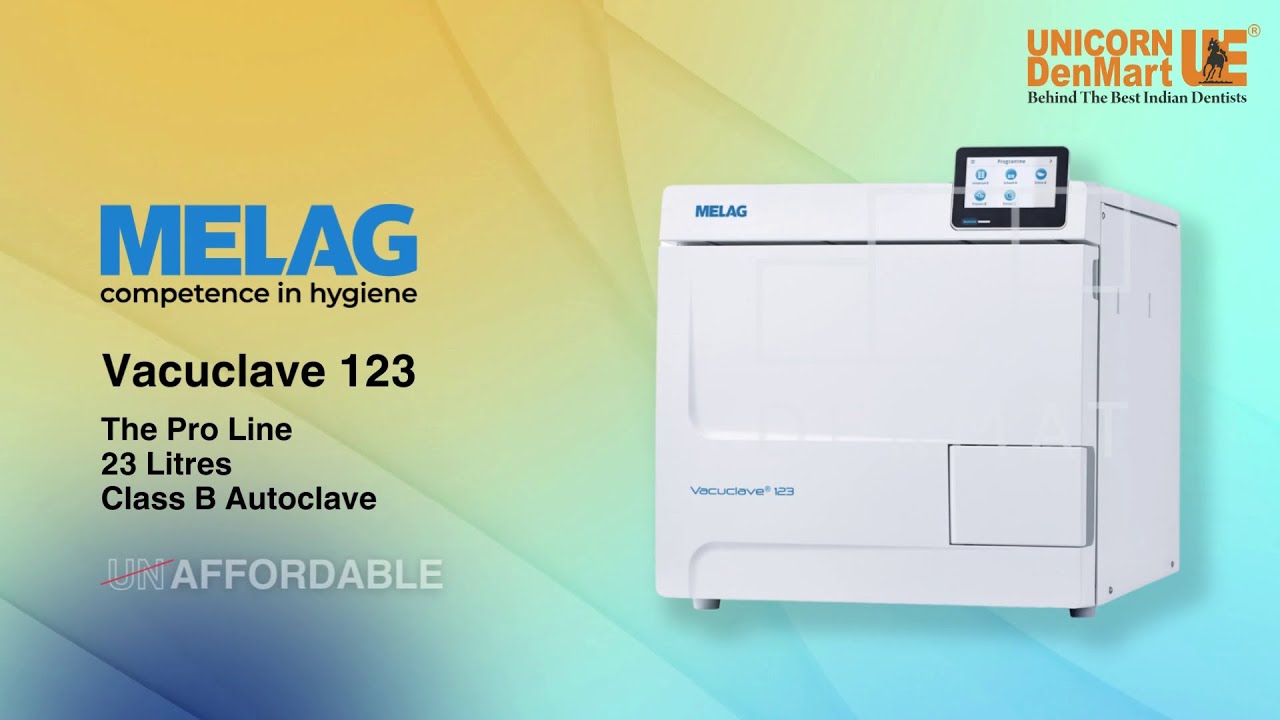
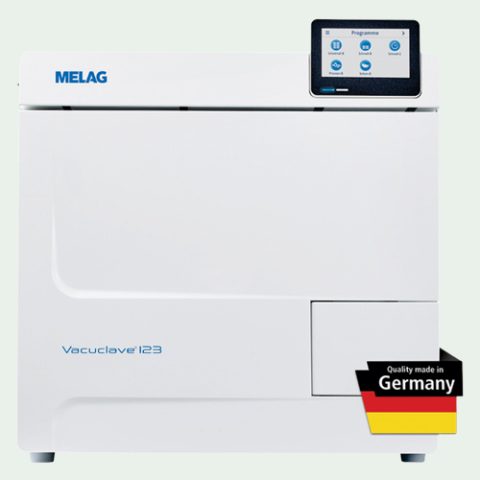
Melag Autoclave (Germany): Experience German engineering at its finest. The Melag Autoclave offers unparalleled reliability and precision, ensuring that every instrument is sterilized to the highest standards. Its rapid cycle times and exceptional energy efficiency mean more patients treated safely in less time, enhancing your practice’s throughput and reducing operational costs.
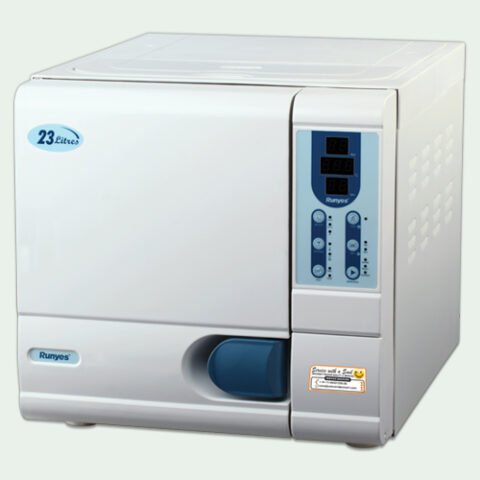
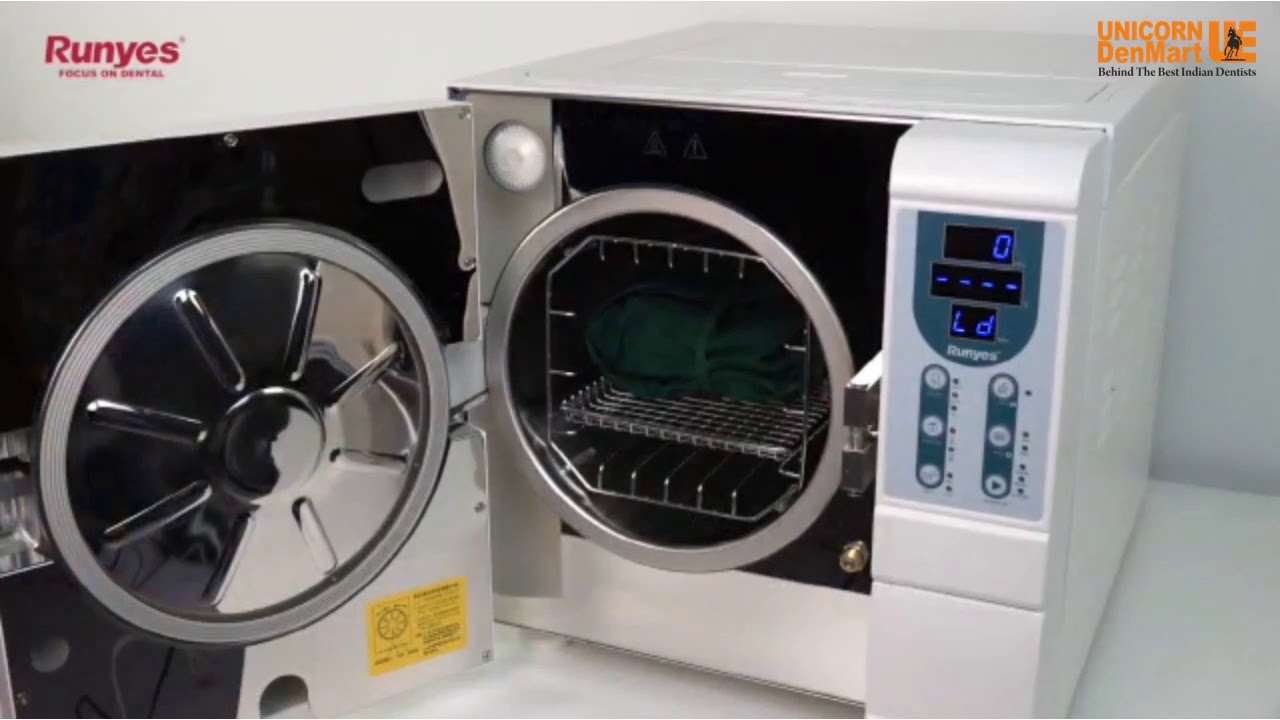
Runyes Feng 23L (China): Leverage cutting-edge technology with the Runyes Feng 23L. Known for its versatility and advanced features, this autoclave comes equipped with multiple sterilization programs that cater to various types of medical instruments, making it ideal for the diverse needs of ENT and ophthalmology clinics.
How You Benefit
- Confidence in Compliance: Both autoclaves meet international standards (ISO & CE Certified), ensuring that your practice complies with the most stringent sterilization protocols.
- Enhanced Patient Trust: By using state-of-the-art autoclaves, you reassure patients about their safety, enhancing satisfaction and trust, which are crucial for patient retention and referrals.
- Reduced Environmental Impact: With energy-efficient designs, our autoclaves help you significantly reduce the environmental footprint of your practice.
- Peace of Mind: Imagine a day at your clinic where you can focus entirely on patient care without worrying about instrument sterility. Our autoclaves ensure that every procedure is supported by perfectly sterilized instruments, bringing peace of mind to you, your staff, and your patients.
0:41
1:47
4:09
FAQ's
A dental autoclave is a sterilizer that uses high-pressure steam to clean dental tools, handpieces, and other items that are used once. It gets rid of viruses, bacteria, fungi, and spores, which keeps patients as safe as possible. To meet infection control standards and keep the clinical environment clean, every dental office must have an autoclave.
Using high-pressure steam at high temperatures (121–134°C), an autoclave cleans tools. The combination of heat and pressure kills all microbes, even spores that can survive heat, which makes it more reliable than chemical sterilizers.
A dental autoclave machine is made to clean dental tools, hollow tips, handpieces, and items that are wrapped in plastic. It usually has advanced features like vacuum cycles, dry cycles, and Class B technology that most laboratory or medical autoclaves don’t have.
The Class B autoclave is the best dental sterilizer. It uses pre-vacuum and post-vacuum cycles to get rid of air pockets, making sure that hollow instruments, wrapped items, and complex dental tools are thoroughly sterilized. It is thought to be the best choice for dental offices because it works well and is dependable.
Before you buy, think about these things:
- The capacity of the instrument
- Cycle speed (fast cycles vs. standard cycles)
- Safety features (like pressure control and auto-shutoff)
- Availability of spare parts and service after the sale
- A standard cycle lasts between 15 and 60 minutes, depending on:
- The kind of autoclave (Class N, S, or B)
- Size of load
- Settings for temperature and pressure
- If the drying cycle is on
In general, Class B autoclaves have cycles that are faster and more efficient.
A dental autoclave can last 5 to 10 years or longer if it is taken care of properly. Regular maintenance, descaling, replacing gaskets, and loading it correctly will make it last much longer.
You should plan:
- Cleaning and emptying reservoirs every day
- Every week: Check the gaskets and clean the chamber
- Monthly: Testing and validating the cycle
- Once a year: Professional servicing and calibration
You can autoclave most metal tools and handpieces that are safe for sterilization. Some items made of plastic, rubber, or materials that are sensitive to heat may need different ways to be sterilized.
Look for:
- Sensors for controlling temperature and pressure
- Shut-off by itself
- Door locks
- Protection against overheating
- Cycle failure warnings
- Class N: For solid instruments that aren’t wrapped; basic sterilization
- Class S: For some hollow or wrapped tools
- Class B: For all kinds of loads, including wrapped, hollow, and porous ones (best for dental clinics).
This is because they use vacuum technology to make sure that everything is completely sterile, which is important for hollow, wrapped, and complex dental instruments.
The price changes based on the kind:
- Class N Autoclave: 20,000 to 45,000 rupees
- Price of Class S Autoclave: ₹50,000 to ₹80,000
- Autoclave for Class B Dentists: ₹90,000 to ₹2,50,000+
Prices differ depending on the brand, size of the chamber, features, and warranty.
Recent Blog
Infection Control in Daily Dental Practice – Complete Guide
The rise in the frequency of transmissible diseases has sparked...
Read MoreInfection Control in Dental Practice: Updates and Protocols
Introduction: The Importance of Infection Control in Dental Practices Infection...
Read MoreAdvancements in Dental Implant Technology
Introduction: Revolutionizing Dental Care with Implant Technology The realm of...
Read MoreNext-Level Sterilization Techniques for the Forward-Thinking Dentist
The cornerstone of any successful dental practice is not just...
Read More